When You Call, We Answer
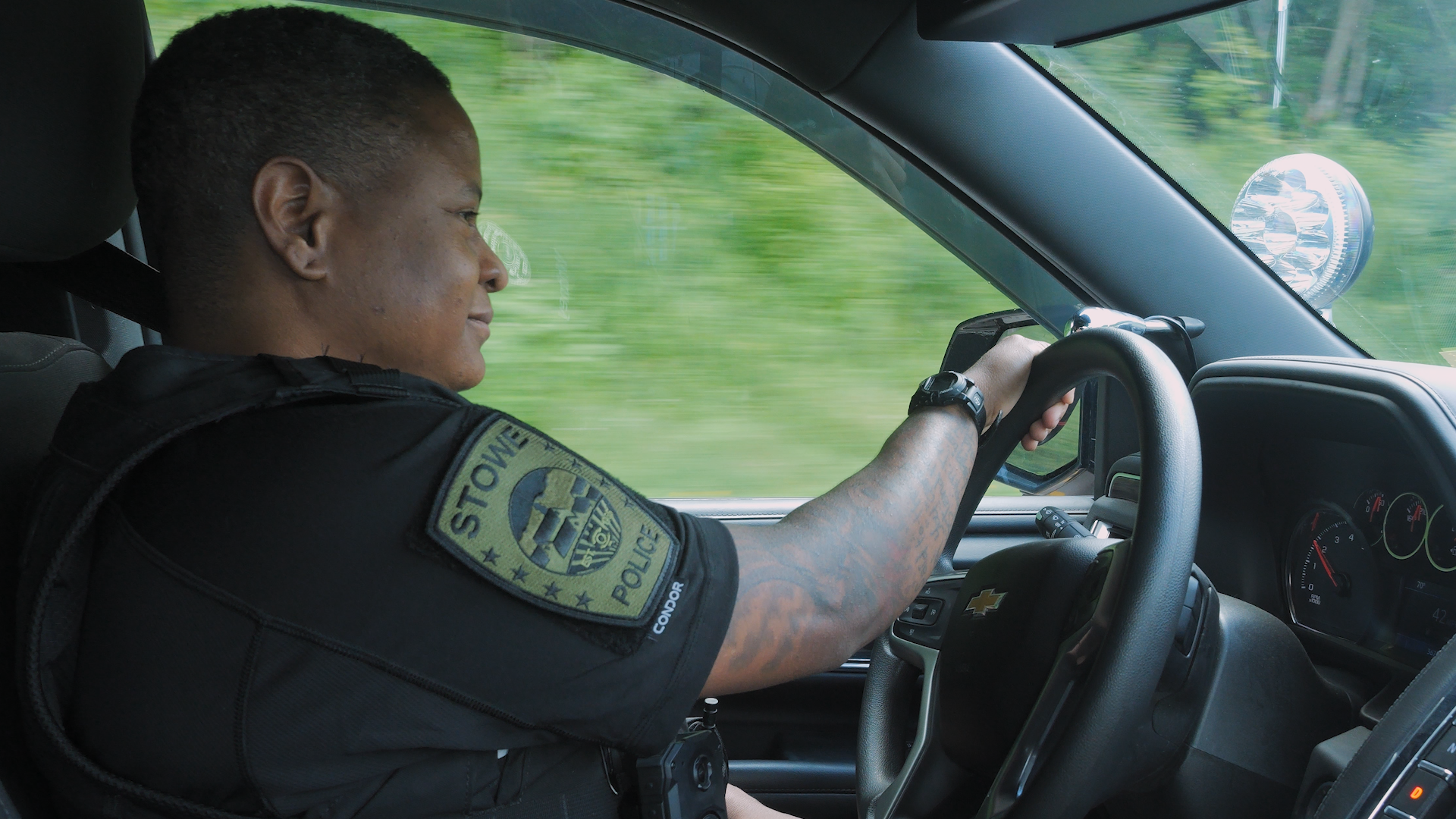
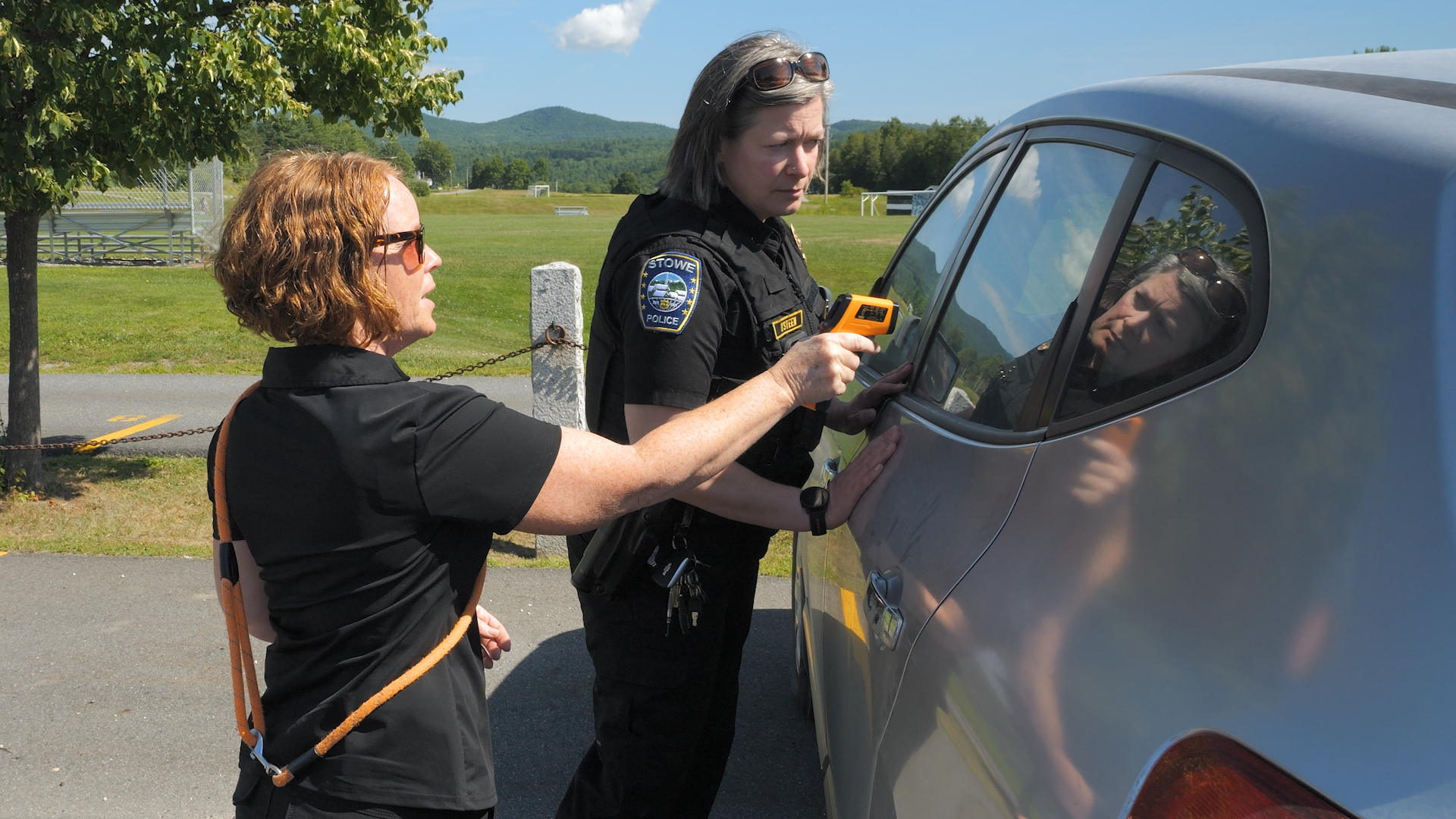
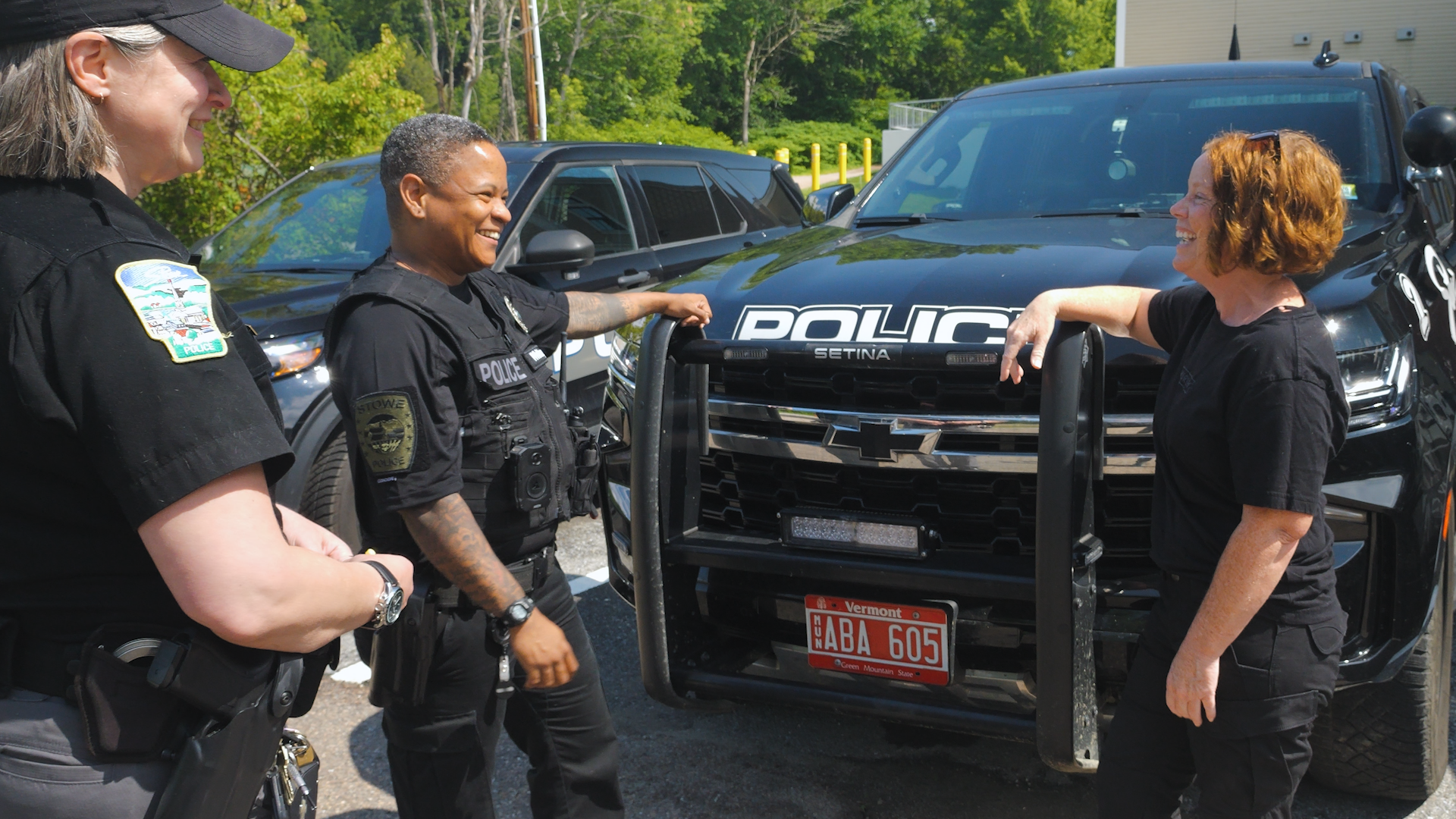
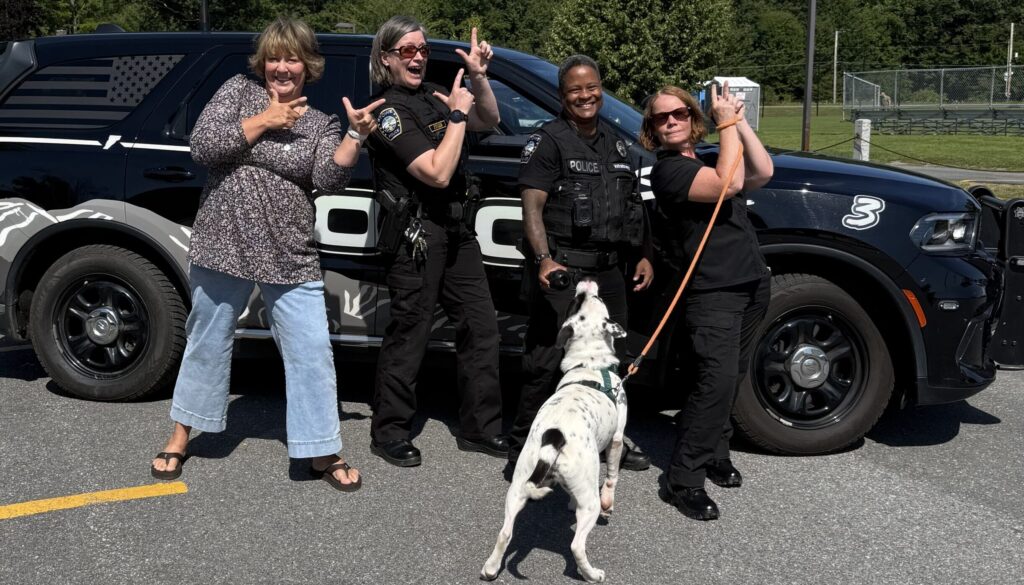
Every summer, the Stowe Police Department and local Animal Control respond to calls about dogs left alone in hot cars. We wanted our community to see exactly what that looks like — so we teamed up with Chief Brooke O’Steen and ACO Marie Kingsbury to bring you an honest, in-their-own-words look at what happens from the moment that call comes in.
Watch the video below, then scroll down for our full conversation with Brooke and Marie — covering everything from the warning signs of overheating to what Vermont law says about rescuing a dog from a hot car.
Ask the Experts
Watching that response come together shows just how seriously Stowe Police and Animal Control take every call. But knowing what to do — and what to expect — makes all the difference when you’re the one who spots a dog in trouble.
Below, Chief Brooke O’Steen and ACO Marie Kingsbury answer the questions we hear most: how hot a car really gets, the warning signs of overheating, what happens after you call, and what Vermont law says about stepping in yourself.
Faster and hotter than most people expect. Vehicle temperatures can rise up to 40 degrees in less than an hour, even more when humidity is involved. So on a 70-degree day, a car's interior can climb well over 100°, even with the windows cracked.
Dogs can't cool themselves the way we do. People sweat; dogs primarily cool down by panting, which is far less effective once the air around them is already hot. That difference is why a dog can go from fine to dangerously overheated much faster than an owner would expect.
In the beginning stages, look for heavy panting and drooling. As things worsen, you may see excessive drooling, the dog trying to get its nose out the windows, attempts to crawl under the seat or find a cooler spot, difficulty breathing, and vomiting. In the most severe, life-threatening stages, a dog may have seizures or collapse.
Yes. Brachycephalic (short-nosed) breeds, like Pugs, Boston Terriers, Boxers, and Bulldogs, overheat faster because they can't pant as effectively. Senior dogs are also more susceptible to overheating quickly.
Call your local police non-emergency line or animal control right away. Try to note the vehicle's location, make, color, and license plate if you can. Then stay nearby if it's safe to do so. Responders may need that information, and it helps to have someone keeping an eye on the situation.
Dispatch relays the report to us, and we respond together with Animal Control. It's treated seriously and handled quickly. This is exactly the kind of call our departments coordinate on regularly, especially during the summer.
If it turns out that the dog is okay and not in need of assistance, the person who reported the situation will not get in trouble. We would prefer people report any concerns they have instead of just ignoring something potentially dangerous.
We actually get these calls all year, and we're obviously more concerned when the weather is hot and humid. On average, we get about three calls a week. That number can also fluctuate depending on how many people are visiting the area.
Sometimes the best thing you can do is leave your dog at home. Buddy doesn't have to come along on every errand. A few minutes in a parked car is all it takes for a quick stop to turn dangerous.
Not always, and that's the point of this campaign. Most owners aren't trying to put their pets in danger; they just don't realize how quickly a parked car heats up. Our goal is education, not blame.
We want to be a resource for the community, not just a shelter people turn to as a last resort. Educating owners before a dangerous situation happens is just as much a part of our mission as responding once it does.
We understand the instinct, but the safest and most effective step is always to call first. Trained responders can assess the situation properly, and acting alone can complicate things, both for the dog and for you.
Under Vermont's Good Samaritan legislation, you are allowed to break a window to rescue a dog that is in distress. There are a few things you must do first:
- Call authorities. Contact 911, local police, or fire departments before breaking into the vehicle.
- Verify doors. Make sure the vehicle is actually locked and entry can't be gained another way.
- Assess danger. The dog must be in imminent, life-threatening danger, such as severe heat distress.
- Use minimum force. Apply no more force than necessary to break the window and open the car.
- Stay on site. Remain with the rescued dog in a safe location until emergency responders or law enforcement arrive.
We respond together. Police handle the scene and public safety side; Animal Control brings the hands-on animal expertise. Neither of us is working solo. That partnership is part of what makes the response fast and reliable.
Chief O'Steen adds: We take a team approach as time allows. Many officers may not have the comfort level or expertise that Marie brings to the table, so they make sure they're taking the correct actions with her advice. If a situation is urgent, officers will take action, and once things are stabilized, they can go over the specific facts with Marie to help with the prosecution of cases.
(802) 253-7126